This Date Is Going Down in Flames — Can You Save It?
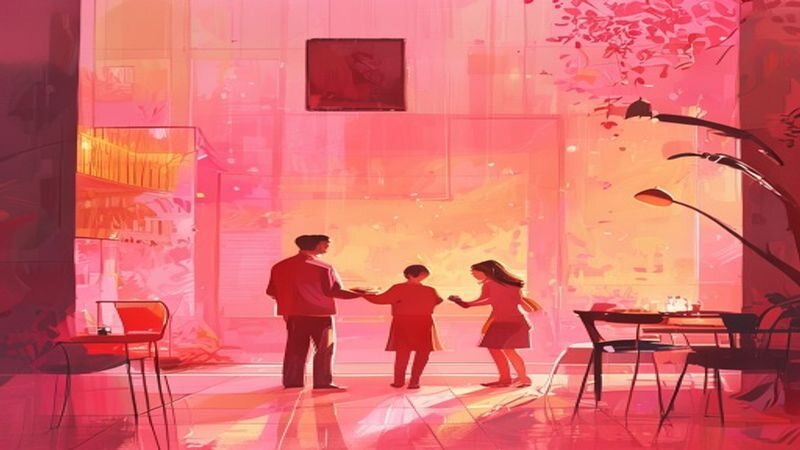
Two people who genuinely like each other are about to ruin a perfectly good evening, and only you can stop them. The reservation was hard to get, the outfits took hours, and the conversation has just wandered into slightly dangerous territory. It is going fine. It will not stay that way.
Your job is the save. Seven cringe moments are coming, an overshare, a spilled drink, an ex sighting, a bill nobody budgeted for, and each one has a graceful exit plus three ways to make it worse. Choose well and there is a second date. Choose badly and there is a check, please.
See every possible result for this quiz and what each one means →
Small talk is the real hazard
The disasters staged in this quiz are loud ones: the spill, the ex, the bill nobody budgeted for. What actually sinks most first dates is far quieter, namely two people trading weather reports for ninety minutes and leaving with nothing worth remembering.
Arthur Aron's team tested the alternative in 1997. Pairs of strangers worked through either ordinary small talk or a set of 36 questions that escalated steadily, opening with who would make an ideal dinner guest and ending with genuinely exposing material about regret and family, followed by four minutes of holding eye contact. The escalating set produced markedly more closeness in about 45 minutes. Two things get oversold about that study: it measured closeness rather than romance, and the couple who later married were an anecdote rather than a finding. What it does show is that reciprocity and gradual depth beat safe topics by a wide margin.
About the spilled drink
Anna Bruk and colleagues at Mannheim published a series of studies in 2018 on how vulnerability gets judged, and the asymmetry was strikingly consistent. Asked to picture themselves admitting something exposing, participants rated the act as weakness and mess. Asked to picture somebody else doing exactly the same thing, they rated it as courage and honesty, and warmed to the person. The researchers called it the beautiful mess effect.
A drink in the lap is the physical edition. The person wearing the wine convenes a private inquest; the person opposite is mainly deciding whether the evening survives it, and takes the cue from whatever reaction arrives next. Recovery is watched far more closely than the accident.
What a scenario quiz is good for
It cannot tell you whether you are good company over dinner. Seven multiple-choice moments cannot capture timing, warmth, or the specific person sitting across the table, and those three do most of the work on any given night.
What it can rehearse is the fork these evenings genuinely turn on. When something goes wrong, do you steer towards the other person or away from them? That reflex is worth knowing before the waiter arrives carrying a dish neither of you ordered. Everything else is weather.