What Video Game Class Fits Your Playstyle?
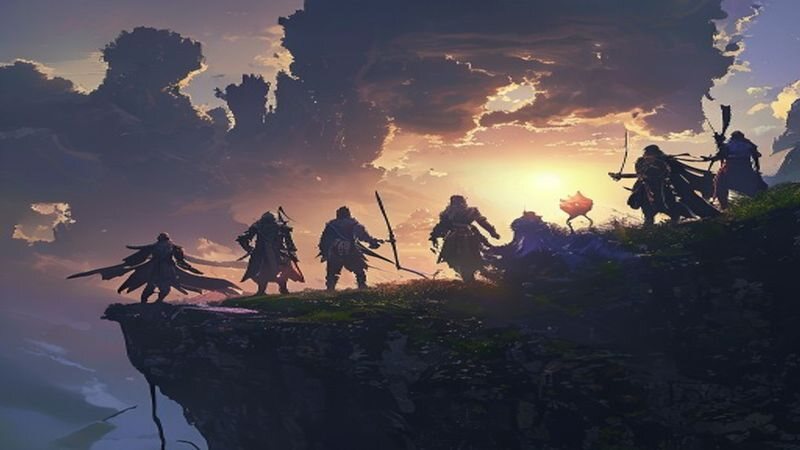
Character creation screens are personality tests wearing armor. Give anyone five classes and thirty seconds, and they will reveal more about themselves than a year of small talk ever could. The way you handle group projects, plan trips, and respond to sudden chaos maps almost perfectly onto how you would behave in a dungeon.
So let me sort you properly. Choose honestly across these seven questions and I will hand you the class you were always going to main anyway — plus a loving read on why the party needs you.
See every possible result for this quiz and what each one means →
Every class list descends from one 1974 rulebook
Dungeons and Dragons, published in 1974 by Gary Gygax and Dave Arneson, grew out of tabletop wargaming, where players pushed units around rather than individuals. Its real innovation was shrinking the unit down to a single person with a name, and to tell those people apart it offered a short menu of roles: the fighting man, the magic-user and the cleric. The thief followed in a supplement the next year, which is part of why the sneaky specialist still feels like a bolt-on across so many games.
The cleric has a particularly telling origin. As the story is usually told, the class was improvised mid-campaign so that a group had some answer to a vampire that had been terrorising them, which means the archetypal healer entered the hobby as a counter-measure rather than as a concept. Support roles have been catching up on prestige ever since.
Fantasy fiction supplied the flavour, but the underlying logic was practical: if everyone can do everything, nobody has any reason to want anybody else in the party.
The trinity, and the invisible number a tank is really playing
Online role-playing games compressed that menu into what players nicknamed the holy trinity: someone to absorb damage, someone to repair it, someone to deal it. EverQuest popularised the arrangement in the late 1990s and World of Warcraft made it the default from 2004, and both relied on a piece of hidden bookkeeping generally called threat, or aggro.
Here is the part that surprises anyone who has never tanked. The monster is not picking the biggest or nearest target; it is consulting a running tally of who has annoyed it most, and the tank's entire job is staying top of a list nobody can see. Healing adds to that tally too, which is the mechanical reason an over-enthusiastic healer suddenly finds a dragon walking towards them. What began as a character concept had become a maths problem that a group solves together.
None of which means a handful of questions can tell you which role you truly are. What the label is good for is the disagreement it starts with the friend who has called themselves a rogue since school and has somehow never played one.