Style a Signature Sneaker and We'll Match You to a Court Legend
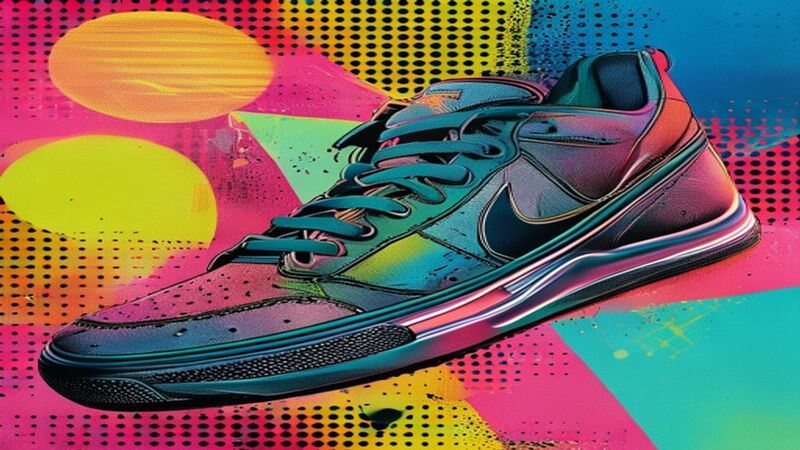
Designing a signature sneaker is a personality test with better materials. The colorway you reach for, where the logo sits, even how you handle the laces — every choice leans toward a style of play, and a style of play leans toward a legend.
Seven design decisions from now, you will be matched with a court archetype: the clutch scorer, the flashy playmaker, the lockdown defender, the all-around captain, or the rookie sensation. No dribbling required. Strong opinions about tread patterns, however, are mandatory.
See every possible result for this quiz and what each one means →
A canvas gym shoe and a salesman's signature
Basketball was invented as an indoor winter sport, which made grip on a wooden floor an equipment problem from the very beginning. Converse put a canvas and rubber basketball shoe on the market in 1917. A few years later a player named Chuck Taylor joined the company, spent his working life running clinics and selling shoes out of a car, and in 1932 his name was added to the ankle patch, where it has remained ever since.
It is a useful origin story because it contains the entire later industry in miniature: a functional shoe, an athlete's name attached to it, and the slow discovery that the name was worth considerably more than the canvas.
Two brothers, one town, and the endorsement idea
The modern sportswear trade has an unlikely geographic centre. The Dassler brothers built a shoe company together in the Bavarian town of Herzogenaurach, fell out irreparably, and split it in 1948; Adolf's half became Adidas and Rudolf's became Puma, and the two firms competed from opposite banks of the same small river for decades. Their shared instinct for putting shoes on prominent athletes shaped how the whole business would eventually sell itself.
Signature basketball shoes appeared during the 1970s, but the trade as it exists now is usually dated to the middle of the 1980s, when one endorsement line demonstrated that a shoe could carry a personality, a colour story and an annual release cycle at once. Everything after that, including the retro reissue as a permanent category rather than an occasional nostalgia exercise, follows from the same lesson.
The vocabulary of a colourway
Sneaker enthusiasm comes with a technical language that is easy to pick up and genuinely useful: upper, midsole, outsole, toe box, heel counter, and the colourway, meaning the particular arrangement of colours on a given release. Enthusiasts distinguish general releases from limited ones, and authentication-based resale marketplaces gave the limited ones a visible public price during the middle of the 2010s, which changed how people talk about shoes they have no intention of wearing.
Reading a playing style out of a colour palette is not among the things that language can honestly do. Pick the shoe you would actually put on, enjoy whichever court legend the quiz hands back, and treat any resemblance to your own jump shot as a happy coincidence.