Can You Date the Soda Bottle? Only Collectors Go 5 for 5
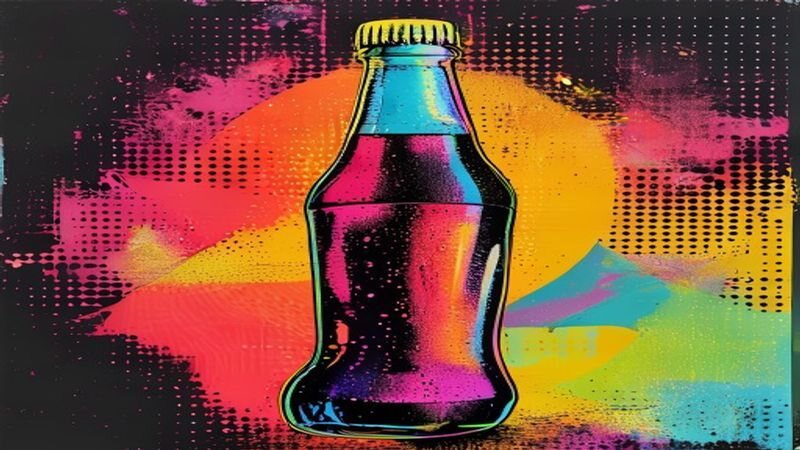
Glass bottles keep receipts. The shape of a neck, the cut of a cap, the way a name sits on the side — each one quietly announces the decade it came from, if you know how to look.
This is a straight knowledge run, not a vibe check. Seven questions cover caps, contours, labels, and the slow march from heavy returnable glass to lightweight plastic. Pick the answer you believe, resist the joke option, and see where you land, from plastic-era rookie to full-blown bottle historian by the end.
See every possible result for this quiz and what each one means →
A bottle carries its own manufacturing record
Dating a soft-drink bottle depends less on the brand than on how the glass was made. Look at the mould seams first. On older hand-finished bottles the seam climbs the neck and stops, because the lip was formed separately after the body left the mould. After Michael Owens' automatic bottle machine spread through the trade early in the twentieth century, the seam runs the whole way and over the lip. That one detail splits the field into before and after.
The base is the other half of the story. Glassmakers stamped maker's marks there, and by mid-century many added plant and date codes as small numbers flanking the mark, which is why a collector turns a bottle upside down before saying anything. Closures narrow it further: the crown cap, with its crimped skirt and cork liner, was patented in the 1890s, so anything made for one is at least that recent.
Embossed, then painted, then thrown away
Early branding was pressed into the glass, because paper labels surrendered the moment a bottle went into an ice chest. The fix arrived in the 1930s as the applied colour label, an enamel design silkscreened on and fired hard. Bottlers could suddenly use two or three colours and big lettering, and the look of a shop shelf changed. Collectors call these painted labels, and how much enamel survived the scuffing drives most of what one is worth.
The heavy glass then disappeared for economic reasons rather than aesthetic ones. Returnable bottles carried a deposit and were washed and refilled many times over, so thickness paid for itself. Cans and lightweight plastic ended the return trip; the polyethylene terephthalate bottle was developed in the early 1970s and made single use cheap. Weight, in other words, is a clue about an entire distribution system.
Why the empties became collectable
Soft drinks were bottled locally under franchise for most of the last century, so regional plants produced their own variants. That is the engine of scarcity the hobby runs on, and it explains how two bottles that look identical to a stranger differ wildly in value. Reproductions exist, and so do the club journals and reference guides written to catch them.
Five questions cannot make anyone an appraiser. What they can do is point at the features a practised eye checks in the first two seconds. Take the tier at the end as a wink, and take the bottle to someone with reference books before insuring it.