Which Impossibly Cute Tiny Mascot Is Your Spirit Twin?
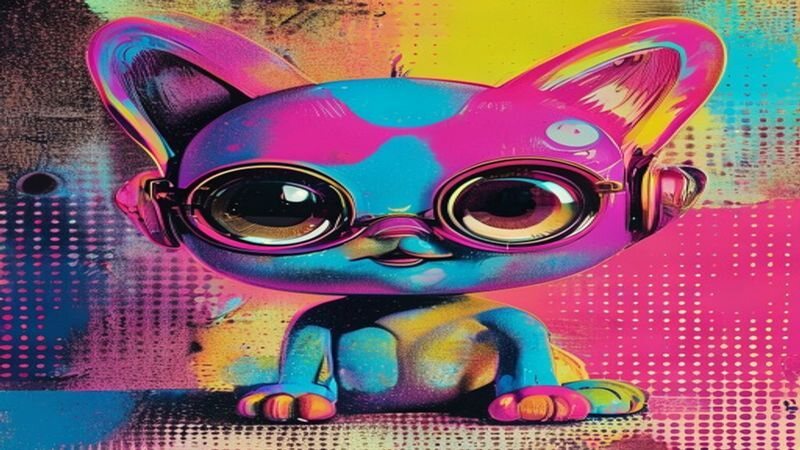
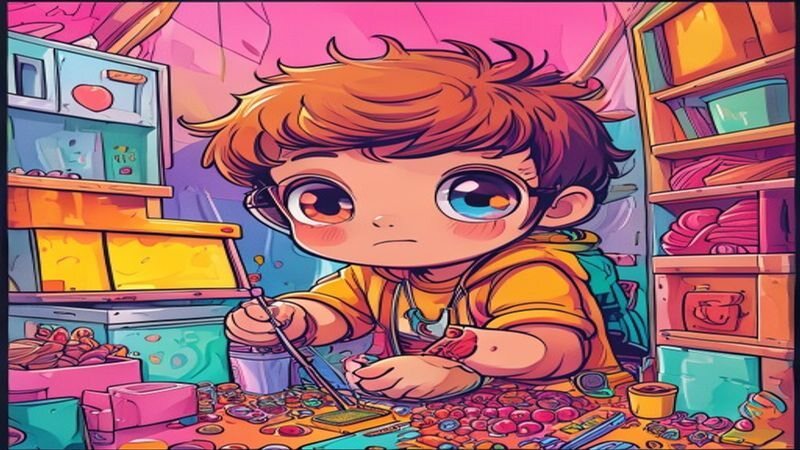
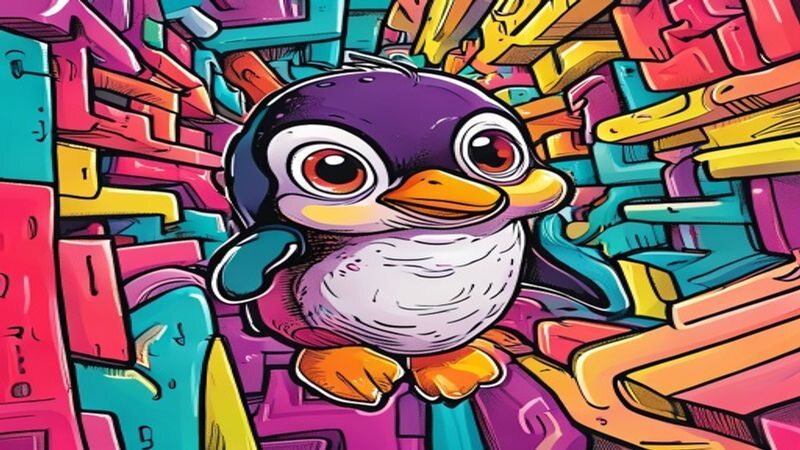
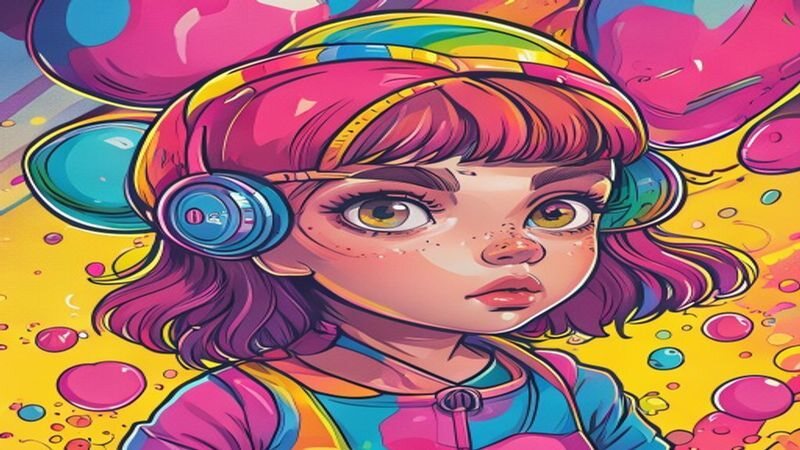
Tiny, round, and emotionally unfiltered: out there is a small creature who is exactly you, just fluffier. One of them cries at commercials. One bites first and apologizes never. One is already asleep. One would sell you a bridge, adorably, and you would thank them.
Seven questions about snacks, tears, and friendship will sort out which little menace shares your soul. Answer honestly — these creatures can smell a fib from across the room, and they are too short to see over most of them. Your spirit twin is waiting. Probably napping, but waiting.
See every possible result for this quiz and what each one means →
Roundness is doing something to you
In 1943 the ethologist Konrad Lorenz described a cluster of infant features he called the Kindchenschema, the baby schema: a large head relative to the body, a high forehead, big eyes set low in the face, round cheeks and short limbs. His claim was that these features release caretaking responses more or less automatically, and that the response is not fussy about species, or indeed about whether the thing in front of you is alive at all.
Later experimental work has broadly supported the direction of travel, with studies finding that faces manipulated to exaggerate infantile proportions are rated as cuter and prompt stronger impulses to look after them. Character designers arrived at the same set of levers independently, by trial and error. Shrink the muzzle, raise the cranium, lower the eyes, delete the neck, and a shape that means nothing at all becomes something people feel obliged to defend.
Kawaii design in Japan turned this into a commercial idiom during the 1970s, a decade that also produced a much-studied fad for rounded, heavily decorated handwriting among schoolgirls. The style has been exported steadily ever since, usually without the arguments about girlishness and consumption that came attached to it at home.
Mascots became local government policy
Japan then took the small round character somewhere genuinely unusual: into public administration. Yuru-kyara, loosely translatable as laid-back characters, are mascots representing towns, prefectures, museums, transport operators and government departments, and they are typically drawn slightly wrong on purpose. The category is associated with the illustrator and essayist Jun Miura, who popularised the term.
Their purpose is tourism and civic promotion, and it works well enough that a national popularity contest ran annually from 2010 until 2020, with towns campaigning in earnest for their entry. The best-known example, a black bear character created by Kumamoto Prefecture in 2010, was licensed on unusually permissive terms so that local businesses would use it freely, and it grew into a substantial regional marketing asset.
Set against all that, five invented creatures competing to be your spirit twin is modest work. Nothing on this page reads your soul; the pairing follows from which options you happened to tap. What it does reliably is make you defend your choice to somebody convinced you got the wrong animal.