Which Movie Genre Is Your Life?
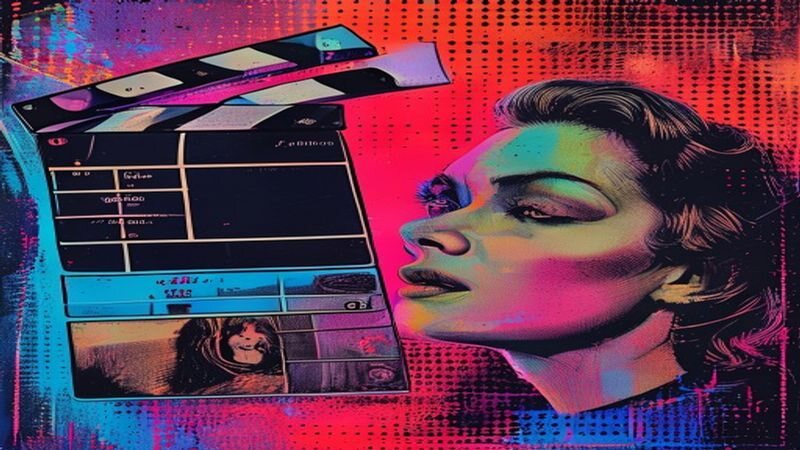
Cameras have been following you around for years and nobody told you. Every burnt toast, every missed bus, every suspiciously perfect sunset — all of it is footage. The only mystery left is what kind of movie the editors have been cutting together this whole time.
Run through these seven scene prompts honestly and the projector does the rest. You might be living a slow-burn romance, a twitchy conspiracy, or a documentary where you keep glancing sideways at the lens. There is no wrong genre here. There is, however, absolutely a genre.
See every possible result for this quiz and what each one means →
The self-test began as a screening form
The ancestor of every quiz you have ever taken in a magazine is a plain military questionnaire. Around the end of the First World War the psychologist Robert Woodworth assembled a list of yes-or-no questions about a recruit's own habits and nerves, meant to flag men at risk of breaking down under fire. It is usually described as the first personality inventory.
The format turned out to be far more portable than its purpose. A list of questions about yourself, scored by totting up your own answers, needs no examiner, no equipment and no training, which is precisely what a printed page can offer a stranger.
A century of the same clever trick
Magazines took to it immediately and never let go. A quiz is cheap to produce, fills a page, invites the reader to pick up a pen, and leaves them with something to compare over lunch. The mechanism is elegant: the publication supplies a frame and the reader supplies all the content, because the subject of the piece is whoever is reading it.
The internet changed distribution rather than design. Once results could be shared with one tap the quiz became a social object, a way of announcing something about yourself while blaming the algorithm for having said it, and for a stretch of the mid-2010s it ranked among the most dependable traffic engines online.
Genre is a contract, not a description
Scholars have argued for decades that genres are not natural categories sitting inside films. They are agreements between an industry that needs to describe its product and audiences who want to know what they are buying. Rick Altman's work traces how such labels get invented, defended and quietly redefined, and how studios have often preferred not to commit to one.
The categories visibly move. Words like melodrama and thriller have covered quite different things in different decades, and streaming interfaces have since added mood-based shelves that no critic a generation ago would have recognised as genres at all.
Your week has no editor
A life does not have a genre, because a genre is a promise made in advance to somebody who has not watched yet, and nobody is selling tickets to your Tuesday. Seven questions and a flattering label are a game rather than a reading. The true part underneath is that we do narrate ourselves in borrowed shapes, and noticing which shape you reach for tells you more than any answer a quiz hands back.