The Mischievous Goth Bunny Wants One Word From You
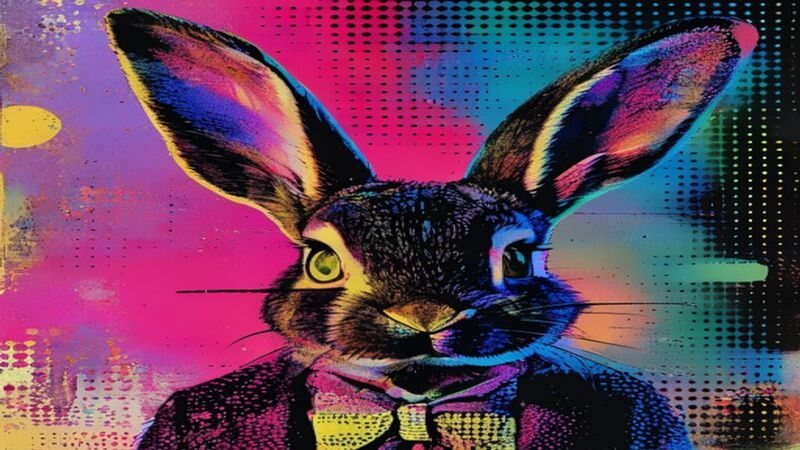
Picture a velvet-dark bedroom where a small rabbit in fingerless gloves is tapping one boot, waiting. She has decided that the fastest way to size up a stranger is to demand a single word and study what tumbles out.
So type one. Anything at all: a color, a mood, the first noun your brain coughs up. The rabbit will weigh it, narrow her eyes, and hand back a verdict about the exact role you play in her chaotic little world. There are no wrong words here, only revealing ones. Go on. She hates being kept waiting.
See every possible result for this quiz and what each one means →
A press label that the scene decided to keep
Goth began as shorthand rather than a manifesto. British music journalists and a handful of musicians started applying the word to a strand of post-punk at the turn of the 1980s, describing records that leaned on reverb, minor keys, high treble bass lines and a theatrical sense of dread. Bauhaus, Siouxsie and the Banshees and The Cure are the names usually cited, although several of the musicians involved spent years objecting to the category being pinned on them.
A club scene gave the label somewhere to live. The Batcave, which opened in London's Soho in 1982, is routinely described as the room where the look consolidated: backcombed hair, black lace, heavy eyeliner and a deliberately funereal palette assembled mostly from charity shops and haberdashers rather than boutiques.
Why it outlasted the scenes around it
Most subcultures burn through a fashion cycle and disperse. Goth did not, and the sociologist Paul Hodkinson set out to explain why in a study published in 2002 after years spent inside the scene. His argument was that it had built genuine infrastructure: club nights in dozens of towns, festivals people travelled across the country to attend, specialist mail order, magazines and, eventually, forums that tied all of it together.
That translocal network meant somebody could move city and still find the scene waiting, and it let people stay in it into middle age rather than ageing out at twenty-five. It also gave goth an unusual tolerance for internal variation, which is how it kept absorbing new strands of music and dress without falling apart.
Dark and cute have been sharing a wardrobe for years
The pairing that produces a cheerful little goth rabbit is not the contradiction it looks like. Japanese street style had been mixing frills, bonnets and funeral black since the 1990s, and image-sharing sites in the early 2010s produced pastel goth, which kept the spikes and the eyeliner and swapped the palette for sweet-shop colours. Cute character design has always had room for a mean streak, and a small creature with a grudge is funnier than a large one.
What a single typed word cannot do is establish your standing with an imaginary rabbit. The result you land on is a short piece of writing selected by arithmetic, and the only honest claim it makes is that it might amuse you for a minute and annoy a friend for slightly longer.
How this one works: the name you type is turned into a number, and that number picks one of the results below. It is a party trick rather than a reading — the fun is in which one you land on, not in it being true.