Style Your Virtual Avatar and We'll Name Your Fashion Aura
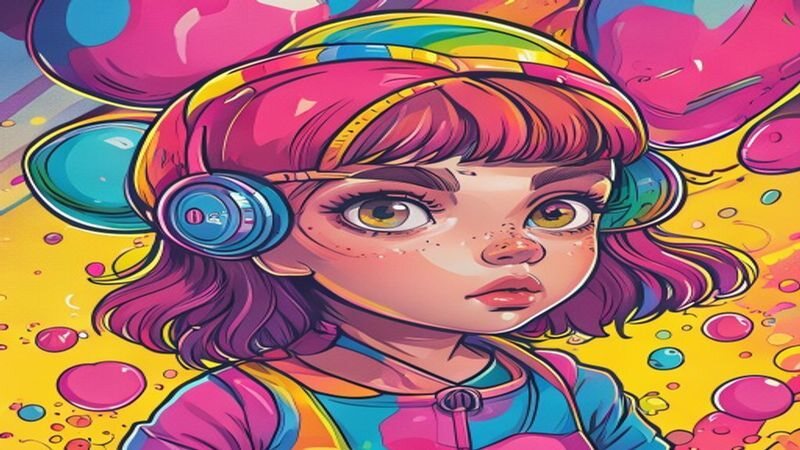
Backstage at the character-creation screen, a blank avatar stands under the studio lights waiting for you to make it iconic. Hair, outfit, accessories, pose — every pick you make gets called by the fashion commentary desk, and the desk has never once been wrong about a person's aura.
Seven styling rounds stand between this default mannequin and a look worth screenshotting. Choose what you actually love, not what you think scores well, because auras cannot be faked. Final judging happens at the end, caption included, group chat optional but recommended.
See every possible result for this quiz and what each one means →
Paper wardrobes came first
Dressing a figure that is not you has been a commercial pastime for more than two centuries. Printed paper dolls with separate wardrobes were sold in London and Paris in the early 1800s, several of them boxed with a short story so that the outfits followed a plot rather than a whim. The format then survived every technology that arrived afterwards: punch-out cardboard in Victorian magazines, cut-out pages in mid-century comics, and the sticker books still sold today.
The browser years, and the archive that saved them
The dress-up game found its natural home online in the early 2000s, when the plug-in powering most animated web content made a drag-and-drop wardrobe cheap to build. Thousands were made, many by teenagers teaching themselves to animate, and hosted on portals that paid nothing and demanded nothing in return.
Adobe ended support for Flash Player on the last day of 2020, and the content stopped running in browsers shortly afterwards, which quietly removed a large slice of amateur design history from circulation. Volunteer preservation projects have been rebuilding it since, partly through emulators that run the original files in a modern browser and partly through archives that collect the games before the hosting disappears for good.
Customisation stopped being decoration
Once avatars moved into games and social platforms, the wardrobe became the business model. Cosmetic items sell in places where gameplay advantages would be resented, they cost nothing to manufacture once designed, and they give players a reason to come back on a schedule. Entire storefronts now exist for clothing with no physical version, and several established fashion houses have run experiments in the same space.
It is worth noticing what that does to taste. When outfits are catalogue items, style becomes something you assemble from what has been released rather than something you make, which is the constraint high street shopping already imposes, only faster.
The habit of naming an aesthetic
Labelling a look is not new, but the current suffix habit can be traced. Normcore came out of a trend report published by a New York forecasting collective in 2013 and escaped into fashion journalism within months. The pattern has held since: a mood board circulates, someone attaches a word ending in core, and a loose visual idea acquires rules, gatekeepers and a shopping list.
The aura names in this quiz are invented in the same spirit and carry none of the authority. Sorting yourself by which hairstyle you picked is a parlour game rather than a diagnosis, and the better use of it is comparing results with whoever dressed their avatar in something you would never wear.