Could You Survive a Horror Game?
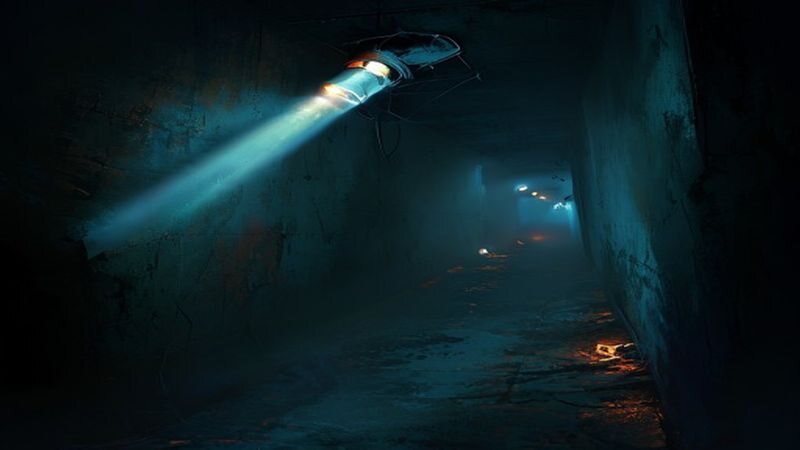
Every horror game is, underneath the fog and the ominous piano, an exam about judgment. The monster is rarely the true danger. The true danger is the part of you that hears a noise below the floorboards and thinks: interesting, I should investigate that alone, in the dark, unarmed.
Ahead sit seven of the genre's classic decisions — the abandoned mansion, the dying flashlight, the friend who suggests splitting up. Choose what you would honestly do, not what a hero would do. The game can tell the difference, and frankly, so can the basement.
See every possible result for this quiz and what each one means →
A genre built on withholding
Horror games learned early that the frightening part is whatever the player cannot see or cannot do. Mid-1990s titles popularised survival horror as a marketing phrase, and the design underneath it was largely subtraction: fixed camera angles framing a corridor while hiding whoever walked down it, ammunition counted in single digits, saves rationed by consumable items, and controls stiff enough that turning to run felt like a decision with weight. Tension came from arithmetic as much as from atmosphere.
A later wave went further and removed the weapon altogether. Hiding in a wardrobe, nursing a torch battery and memorising the route to a door produce a different fear, one in which competence itself is withheld and the only tools are patience and a good grasp of the floor plan.
Why being frightened is enjoyable
Psychologists have a name for the appetite: benign masochism, the phrase Paul Rozin used for the human habit of enjoying experiences the body reads as threatening while the mind knows it is safe. Chilli, terrifying films and fairground ghost trains all trade on that gap. Games add agency, which sharpens both the dread and the relief.
A jump scare is the cheapest instrument in the orchestra. The startle reflex is easy to trigger and impossible to sustain, so durable work is done by audio and pacing: silence held slightly too long, a sound placed just outside the light, footsteps whose direction stays ambiguous. Some studios build pacing systems that watch the player and schedule the quiet stretches deliberately, a technique Valve documented at length when describing the director software governing the flow of its co-operative zombie shooter.
The ones who die are usually the ones in a hurry
Anyone who has finished a few of these games will tell you the survival skills are unglamorous: search rooms before the noise starts, spend resources early instead of hoarding them into uselessness, and learn the exits before you need them. Panic wastes ammunition and forgets doors. What a set of hypothetical choices cannot establish is how anybody behaves with real adrenaline in the bloodstream, which is exactly the sort of claim worth testing against whoever swears they would never open the basement door.